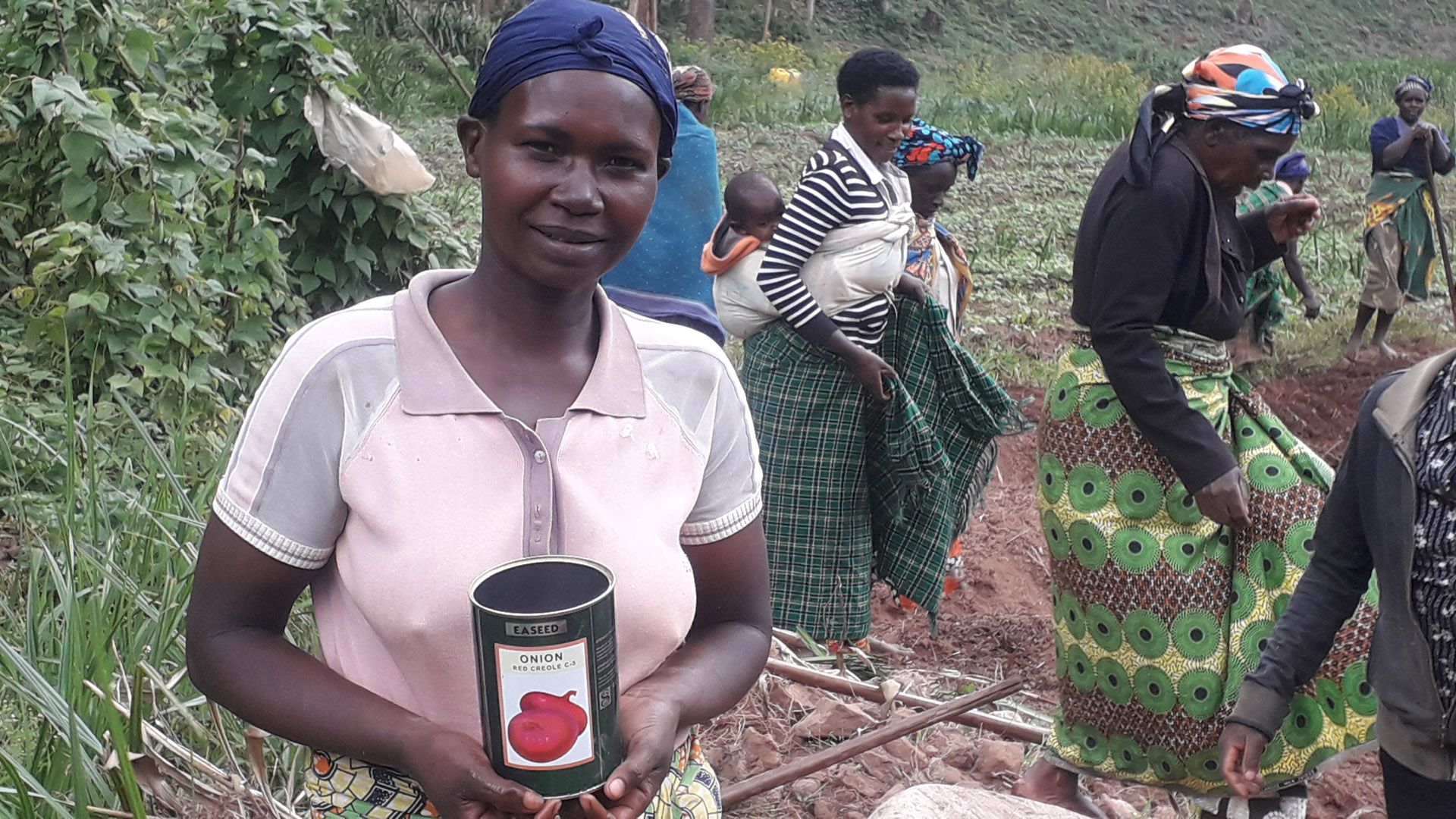
Eighty five (85%) of the population are engaged in full-time subsistence agriculture as the primary source of livelihood and backbone of Uganda’s economy and particularly so for the targeted districts. Most of the farming activities are carried out by Small Holder Farmers (SHFs) on small fragmented lands with no access to markets and suffer enormous losses through damages and delayed delivery of fresh produce to the market. The products are marketed in raw form and most often are perishable in nature. Small holder farmers incur losses on the farm and at post-harvest through poor handling in the farm, transit and in the store. The farmers lack capacity and facilities to prevent these losses. Typical farmers in the targeted districts manage very small plots of land, and production is mainly rain fed. Such farmers experience various challenges posed by nature including poor soils, destructive crop pests and diseases, and recurring droughts and therefore yields generally very low compared to known potentials. Together with natural calamities, additional reasons that lead to low yields include limited investments in irrigation and lack of affordable technologies that would have improved soil fertility, pest and diseases control, weeds management, and the introduction of drought tolerant crop varieties. Small holders farmers still encounter market failures, have had limited access to capital and market infrastructure such as roads, physical market structures, market information and contacts which in turn leads to high costs of transportation and credit delivery. As a result, most small-scale farmers are trapped within subsistence agriculture, with minimal orientation towards the market. However, the increasing global consumption of micronutrient-rich meats, fish, fruits, indigenous cereals and vegetables all of which are High Value Agriculture Products have led to new market opportunities for producers and distributors of high agricultural value products especially to the small holders farmers.
Enhancing and opening up new opportunities for communities to address livelihood issues is a critical area of attention, at a time when income disparities in Uganda are increasing. We recognize that marginalized areas are largely dependent on natural resources and the environment for their livelihoods. In many parts of Uganda, the number of people living in absolute poverty is on the rise.
Our livelihoods interventions are founded on the belief that livelihood is an essential right of all human beings to realizing equal opportunity. Poor people do not have life choices, nor do they have opportunities. Ensuring that a poor household has a stable livelihood will substantially increase its income, and over a period of time, ownership of assets, promote dignity and encourage social participation.
Our Agriculture and Livelihoods thematic area seeks to promote economic growth targeting people at the grassroots who do not have the purchasing power for basic necessities of life – food, clothing and housing / shelter. GCDF shall facilitate livelihood creation interventions in urban areas and rural marginalized communities.
Key interventions under this thematic area include;
-
- Undertaking Research on best agricultural practices that are sustainable and environmentally friendly and sharing these with farmers in Uganda,
- Equipping vulnerable communities particularly women and youth with innovative skills and knowledge to practice integrated sustainable agriculture and nutrition, proper land use practices that result in increased food availability, access and utilization at household level,.
- Supporting communities to acquire hybrid animals and farm inputs, seeds/seedlings to practice organic farming, kitchen gardening, processing of agricultural produce to add value and increase on household incomes
- Increasing investments in knowledge and skills in communities to assess and monitor possible risks to their livelihoods.
- Strengthening and promoting social infrastructure for community self-organizing such as Savings and Credit Cooperatives (SACCO’s) and other community structures to enhance their productive potential and sustainability.
- Promoting measures to enhance food productivity, value addition and access to markets, credit and finance.
- Promoting enterprise development for increased participation in the market place and increased household incomes.
- Investing in the provision of a diverse range of employment opportunities, income and financial services.
- Strengthening linkages between communities and external actors – governments, market players, development partners.
- Support measures to increase public investments to increase access to physical assets and services.